
+- Serwis Nedds24.pl (https://nedds24.pl)
+-- Dział: OffTopic (https://nedds24.pl/forumdisplay.php?fid=176)
+--- Dział: HydePark (https://nedds24.pl/forumdisplay.php?fid=177)
+--- Wątek: Automated Trading Algorithms and Their Role in Modern Financial Markets (/showthread.php?tid=34390)
Automated Trading Algorithms and Their Role in Modern Financial Markets - klima - 11.11.2026
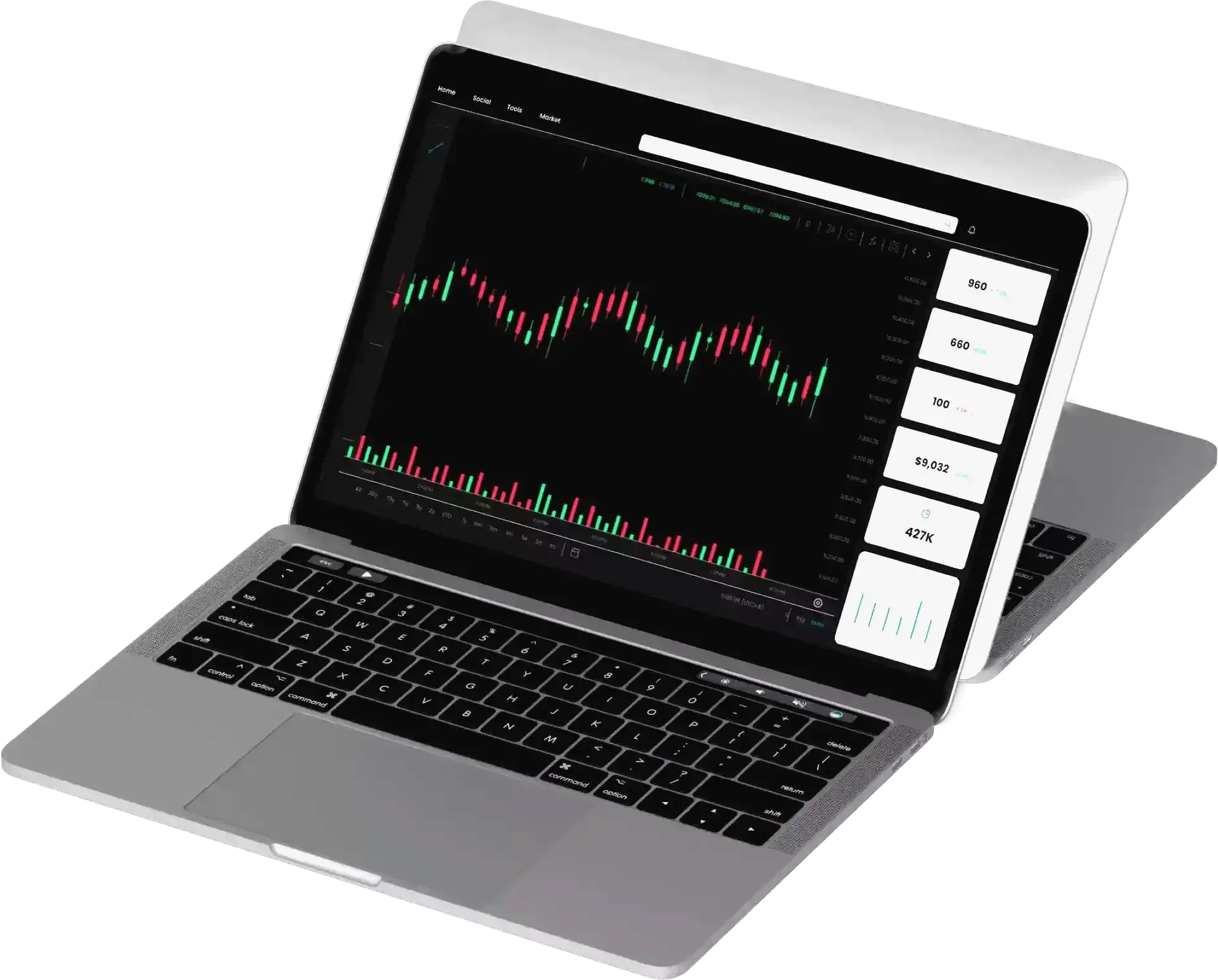
Financial markets generate enormous amounts of information every second. Price fluctuations, trading volumes, economic announcements, and investor activity all contribute to changing market conditions.
For individuals interested in trading, keeping track of these developments manually can require significant time and attention. Automated trading algorithms provide an alternative by using predefined rules and analytical models to evaluate financial information.
What Are Automated Trading Algorithms?
Automated trading algorithms are computer-based systems designed to analyze market conditions and perform specific tasks according to programmed instructions.
Depending on their configuration, these systems can monitor assets, evaluate technical indicators, and identify situations that match predefined trading conditions.
Common functions include:
- Tracking price movements across multiple markets.
- Comparing current prices with historical data.
- Monitoring trading volume and market activity.
- Recognizing potential technical patterns.
- Producing signals for further analysis.
How Artificial Intelligence Improves Market Monitoring
Artificial intelligence expands the possibilities of traditional algorithmic trading. Instead of relying exclusively on simple rules, machine learning models can evaluate complex information and recognize patterns across different datasets.
This can be particularly useful in cryptocurrency markets, where volatility and continuous trading create additional analytical challenges.
Modern platforms, including https://cobaltyielodeai.com/, highlight the role of AI-powered algorithms in monitoring digital asset markets and identifying potential trading signals.
The purpose of such technology is to make market information easier to process and provide users with additional analytical resources.
The Benefits of Automated Market Analysis
One important advantage of automation is consistency. A computer system can monitor financial indicators continuously without requiring the same repetitive manual effort.
Other potential benefits include:
Time efficiency: Automated monitoring reduces the need to review every market individually.
Data processing: Algorithms can examine large amounts of historical and current information.
Continuous observation: Digital markets can be monitored outside traditional business hours.
Structured analysis: Predefined analytical methods can help organize information more consistently.
Nevertheless, these benefits depend on the quality of the underlying technology, available data, and system configuration.
Understanding the Limitations
Automated trading is not without risks. Unexpected political events, regulatory decisions, technical failures, and sudden changes in market sentiment can affect asset prices.
Algorithms may also identify patterns that do not continue or produce signals that prove inaccurate.
Users should therefore avoid treating automated recommendations as guaranteed predictions. Independent evaluation and appropriate risk management remain essential.
Human Judgment Still Matters
Technology can simplify financial research, but it cannot eliminate the need for informed decision-making.
Investors should understand the assets they are considering, establish realistic financial objectives, and determine how much risk they can reasonably accept.
Automated tools are most useful when they support a thoughtful investment process rather than replace it entirely.
Conclusion
Algorithmic trading and artificial intelligence are becoming important components of modern financial technology. Their ability to monitor markets and process information offers new possibilities for research and analysis.
As these technologies develop, understanding both their capabilities and limitations will help market participants use them more responsibly.